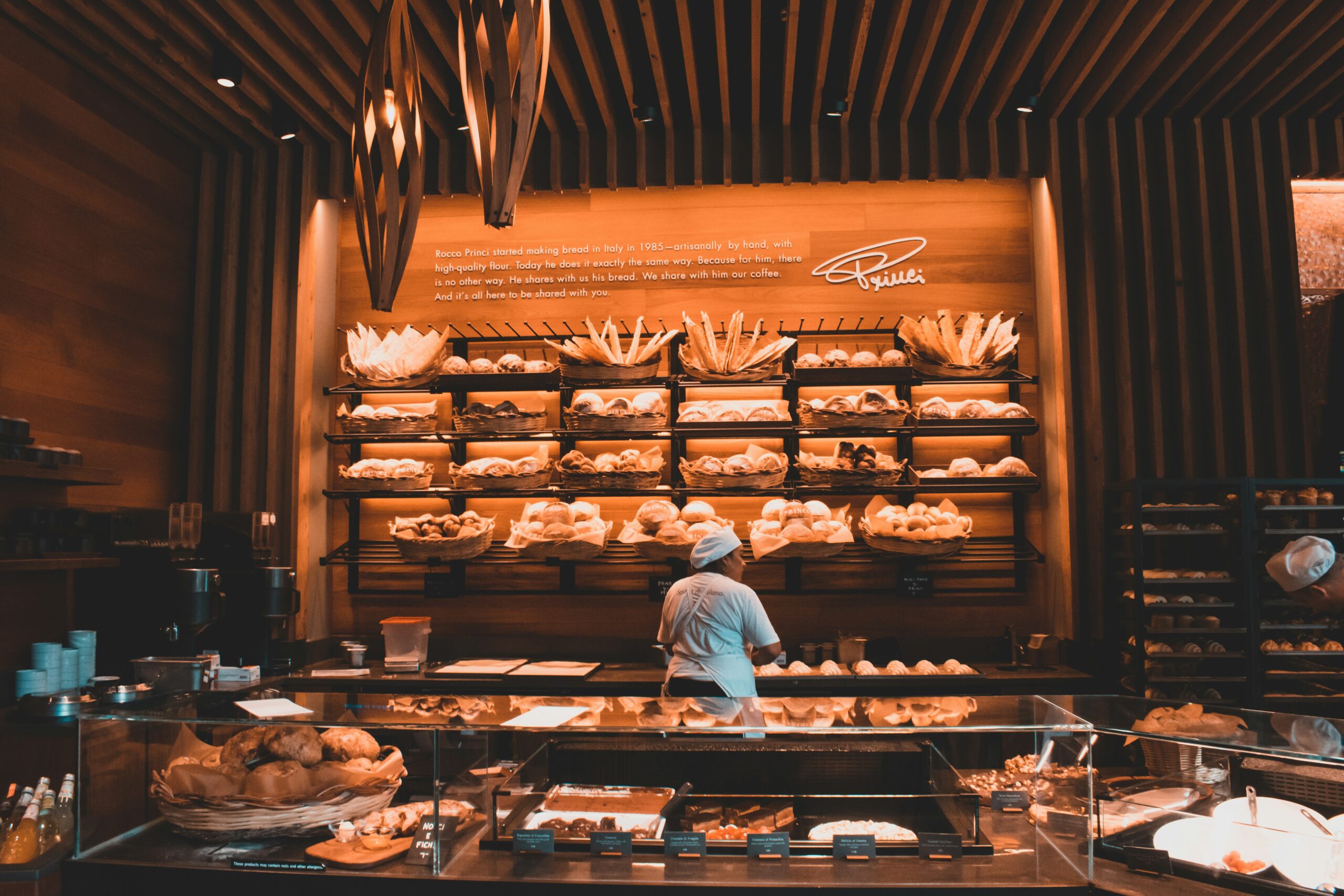
When people walk into our family bakery, they usually see the finished product. They see the bread on the shelves, the pastries in the display cases, and the familiar atmosphere that has welcomed customers for generations.
What they do not see is everything that happens before those products ever reach the counter.
From the outside, consistency looks simple. A customer visits today, comes back next week, and has the same experience. The bread tastes the same. The quality is there. The service feels familiar.
That consistency is what builds trust.
What many people do not realize is how much work goes into making that happen every single day.
More Than 140 Years of Expectations
Our family bakery was established in 1879. When a business has been serving customers for that long, consistency becomes more than a goal. It becomes a responsibility.
Customers do not simply visit because they need bread or pastries. Many come because they have a connection to the bakery. Some grew up visiting with their parents and grandparents. Others have made our products part of their own family traditions.
When people return after years or even decades, they expect the same quality they remember.
That expectation is an honor, but it also creates responsibility. Every day we have to earn that trust again.
The Discipline Behind Every Product
Good baking is built on repetition.
The same recipes. The same techniques. The same attention to detail.
It sounds simple, but maintaining consistency over thousands of batches and across generations is not easy.
There is always pressure to move faster, especially during busy periods. There is always temptation to take shortcuts when demand is high.
The problem with shortcuts is that they eventually show up in the final product.
In a bakery, small changes matter. A slight adjustment in preparation, timing, or ingredients can affect quality. Customers may not know exactly what changed, but they notice when something feels different.
That is why discipline matters so much.
We follow standards because they protect the quality people expect from us.
The Early Mornings Nobody Sees
Most customers experience the bakery during normal business hours.
They do not see the preparation that starts long before the doors open.
Baking requires planning, coordination, and consistency. Products must be prepared correctly, ingredients must meet standards, and every step must happen in the right order.
The work begins before most people start their day.
Those early hours are often invisible to customers, but they are essential to creating the experience people enjoy later.
Consistency is built before the first customer arrives.
Training Never Stops
One of the biggest misconceptions in any bakery is that once someone learns the job, training is finished.
The reality is the opposite.
Standards have to be reinforced constantly. New employees join the team. Processes evolve. Habits develop over time.
If you stop paying attention, consistency starts to fade.
In a family bakery with a long history, training is not only about teaching skills. It is about passing on standards and values.
We are not simply teaching someone how to prepare a product. We are teaching them how to uphold a reputation that has been built over generations.
That responsibility requires continuous learning and reinforcement.
Small Details Create Big Results
Customers often notice details without realizing it.
They notice how products are displayed. They notice cleanliness. They notice freshness. They notice service.
Each individual detail may seem small, but together they create the overall experience.
In our bakery, attention to detail is part of daily life.
We constantly evaluate quality, presentation, and execution. We look for small improvements and address issues before they become bigger problems.
Customers may never see those conversations happening behind the scenes, but they experience the results every time they visit.
Leadership Starts on the Bakery Floor
One lesson I have learned is that consistency cannot be managed from a distance.
You have to stay connected to the operation.
You have to spend time in the bakery, observe what is happening, and understand where improvements are needed.
Leadership is not just about making strategic decisions. It is about maintaining standards.
If leadership stops paying attention, small issues can become bigger ones very quickly.
People follow what they see.
When the team understands that quality matters, they take ownership of maintaining it.
The Real Test Comes During Busy Times
The busiest days are often the biggest test of consistency.
Demand increases. The pace gets faster. Pressure rises.
This is when standards are most vulnerable.
It becomes tempting to rush processes or focus only on speed.
That is exactly when discipline becomes most important.
Customers still expect the same quality regardless of how busy the bakery is. Their expectations do not change because our day becomes more challenging.
The goal is to maintain the same standard whether we are serving ten customers or hundreds.
That consistency is what keeps people coming back.
Protecting a Legacy Every Day
One thing I have learned from being part of a family business is that a legacy is not protected by history alone.
The fact that a bakery has existed for more than a century does not guarantee its future.
The future is earned through daily actions.
Every loaf of bread, every pastry, every customer interaction contributes to the reputation of the business.
Consistency is not one major achievement. It is thousands of small decisions made correctly over time.
That is the hidden work most customers never see.
Why It Matters
At the end of the day, consistency is about trust.
Customers return because they believe they will have the same positive experience they had before. They trust the quality, the service, and the standards.
For a family bakery that has been part of people’s lives for generations, that trust is everything.
The products on the shelves are only the visible result.
Behind them are systems, discipline, training, attention to detail, and countless hours of work.
Customers may never see all of it.
But they experience the result every time they walk through the door.